Van Life vs Overlanding — Which Adventure Lifestyle Is Right for You?
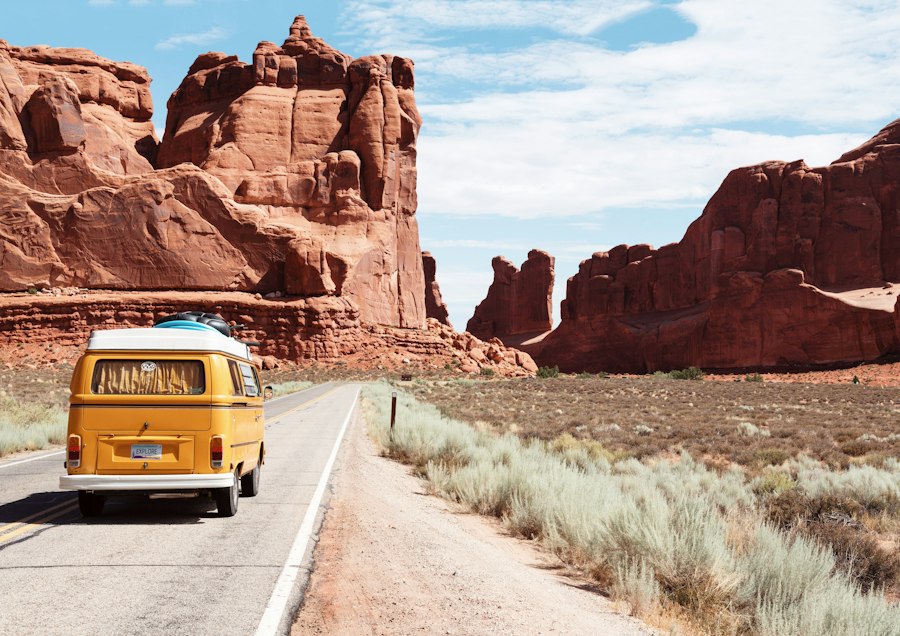
Van life and overlanding both promise freedom on the open road, but they are surprisingly different in philosophy, execution, and daily experience. Van life is built around the idea of a mobile home — maximizing comfort and livability inside a vehicle so you can travel indefinitely. Overlanding is about the journey through remote terrain — using a capable vehicle to reach places most people never see.
There is overlap between the two (and plenty of people blend them), but understanding the core differences will help you figure out which lifestyle fits your personality, budget, and sense of adventure. We have spent time in both worlds and talked to dozens of full-time van lifers and overlanders to put this guide together.
Van life prioritizes comfort and mobility on paved roads. Think converted Sprinter vans with beds, kitchens, and solar power. The focus is on living in your vehicle full-time or for extended trips while visiting towns, coastlines, and campgrounds.
Overlanding prioritizes off-road capability and self-sufficiency. Think 4x4 trucks and SUVs with rooftop tents, recovery gear, and long-range fuel tanks. The focus is on reaching remote backcountry destinations over challenging terrain.
At a Glance
| Factor | Van Life | Overlanding |
|---|---|---|
| Cost to Start | $15,000 – $80,000+ | $10,000 – $60,000+ |
| Monthly Cost | $1,200 – $2,500 | $800 – $2,000 |
| Comfort Level | High — bed, kitchen, sometimes shower | Moderate — rooftop tent or ground tent |
| Mobility | Excellent on roads, limited off-road | Excellent off-road, fine on roads |
| Terrain Access | Paved roads, gravel, easy dirt roads | Rough trails, desert, mud, rock, snow |
| Community | Large, social media-driven, urban-adjacent | Niche, gear-focused, backcountry-oriented |
| Learning Curve | Moderate — vehicle maintenance, parking logistics | Steep — off-road driving, vehicle recovery, navigation |
| Best For | Remote workers, couples, long-term travel | Weekend warriors, expedition-minded, outdoors purists |
Cost Breakdown
Van Life Costs
The biggest expense in van life is the vehicle and build. A used cargo van (Sprinter, Transit, ProMaster) runs $15,000 to $35,000 depending on year and mileage. A professional conversion adds $20,000 to $50,000 or more. DIY builds can bring that down substantially — many van lifers complete functional builds for $5,000 to $15,000 in materials.
Monthly expenses for a full-time van lifer typically include fuel ($300 to $600), food ($300 to $500), cell phone and internet ($100 to $150), insurance ($100 to $200), campground fees or memberships ($100 to $300), and a maintenance fund ($100 to $200). Many van lifers spend between $1,200 and $2,500 per month, which is often less than renting an apartment in a major city.
Overlanding Costs
Overlanding rigs vary widely. On the budget end, a used Toyota 4Runner or Jeep Wrangler with basic modifications runs $10,000 to $25,000. A fully built overland truck with suspension upgrades, bumpers, winch, rooftop tent, and long-range fuel tank can easily exceed $60,000.
Monthly costs tend to be lower because most overlanders are not full-time travelers. Weekend and vacation overlanders spend primarily on fuel, campsite fees (often free on public land), food, and gear maintenance. Full-time overlanders have similar budgets to van lifers but typically spend less on campgrounds since they favor dispersed camping on BLM and Forest Service land.
Bottom line: Van life has a higher upfront cost for a comfortable build but similar monthly expenses. Overlanding can start cheaper if you already own a capable vehicle but gear upgrades add up quickly.
Comfort & Livability
Van life wins the comfort contest decisively. A well-built camper van is a tiny apartment on wheels. You can stand up inside, cook a meal on a proper stove, sleep on a real mattress, store a wardrobe, and in many builds, take a hot shower. Climate control, insulation, and solar power systems mean you can live comfortably in a van through summer heat and winter cold.
Overlanding is closer to car camping than apartment living. Most overlanders sleep in rooftop tents or ground tents pitched beside their vehicle. Cooking happens on a tailgate or camp table with a portable stove. Storage is limited to what fits in the truck bed or mounted on a roof rack. It is comfortable enough for weekends and trips, but living full-time in an overland setup requires a higher tolerance for simplicity.
That said, some overlanders invest in slide-in truck campers or trailer setups that close the comfort gap. And many overlanders prefer the simplicity — less stuff to break, less to maintain, and more time spent outside rather than inside a vehicle.

Thule Tepui Explorer Kukenam 3
Thule
One of the most popular rooftop tents for overlanding. Sleeps 2-3, sets up in under a minute, and includes a built-in foam mattress. A great entry point for the rooftop tent lifestyle.
Where You Can Go
This is where overlanding shines. A properly equipped 4x4 can handle washboard desert roads, rocky mountain passes, river crossings, deep sand, snow-packed forest service roads, and muddy two-tracks that would strand a van. The entire point of overlanding is reaching the places you cannot get to in a normal vehicle.
Vans are limited to paved roads, well-maintained gravel roads, and easy dirt roads. Even 4WD Sprinters and Transits (which exist and are gaining popularity) are not built for serious off-road terrain. Their long wheelbases, low clearance, and heavy weight make them vulnerable on anything rougher than a forest campground road.
If your dream destinations are remote trailheads, backcountry hot springs, isolated desert campsites, and mountain passes, overlanding gets you there. If you prefer coastal towns, national park campgrounds, ski resort parking lots, and city-adjacent dispersed sites, a van gets you everywhere you need to go.
Who Should Choose Which?
- Want to travel full-time or for extended periods
- Work remotely and need reliable internet access
- Value indoor comfort — a real bed, kitchen, and climate control
- Prefer coastal towns, national parks, and established campgrounds
- Enjoy a social, community-oriented travel style
- Want your vehicle to double as your home base
- Crave remote backcountry access and off-road adventure
- Enjoy the technical challenge of vehicle recovery and route finding
- Prefer weekend and vacation trips over full-time travel
- Are comfortable with a simpler camping setup
- Like building and modifying vehicles
- Want to disconnect from cell service and crowds entirely
Frequently Asked Questions
Can I do both van life and overlanding?
Absolutely. Many people blend the two lifestyles. Some van lifers tow a small off-road trailer for backcountry access. Some overlanders add comfort upgrades like slide-in truck campers that bring van-life-level amenities to a 4x4 platform. The lines between the two are blurring as the communities grow. Start with whichever appeals to you more and adapt over time.
Which lifestyle is cheaper long-term?
It depends heavily on your vehicle choice and travel style. A basic overlanding setup in a used 4Runner with a rooftop tent is one of the cheapest ways to travel. A fully built Sprinter van is one of the most expensive. On a monthly basis, overlanders who camp on free public land and take shorter trips generally spend less than full-time van lifers who need fuel, food, and connectivity every day.
Do I need a 4x4 for van life?
For most van lifers, 2WD is perfectly adequate. The vast majority of van life destinations are accessible on paved or well-maintained gravel roads. A 4WD van (like the Sprinter 4x4 or Transit AWD) opens up some additional dispersed camping options but adds significant cost and mechanical complexity. Unless you plan to spend a lot of time on rough forest roads, 2WD is fine.
Is overlanding safe for solo travelers?
Solo overlanding is common and generally safe with proper preparation. The key requirements are a satellite communicator (like a Garmin inReach), thorough route research, a well-maintained vehicle, recovery gear, and letting someone know your plans. The biggest risks in solo overlanding are mechanical breakdowns and getting stuck in remote areas without cell service. A satellite communicator is not optional for solo trips.
Which lifestyle is better for families?
Van life tends to be more family-friendly because of the indoor living space. Kids have room to play, sleep, and shelter from weather inside the van. Overlanding families do exist and thrive, but the setup and teardown routine is more demanding with young children, and the sleeping arrangements are less comfortable. Many overlanding families graduate to truck campers or off-road trailers as their kids grow.
The Verdict
Van life and overlanding are two paths to the same destination: a life with more freedom, more nature, and less stuff. The right choice depends on what excites you more.
If you dream of waking up to ocean views, working from a laptop in a cozy rolling home, and exploring towns and trails along a winding coast road, van life is your path. It prioritizes comfort, convenience, and the freedom to live and travel simultaneously.
If you dream of navigating a remote desert track, setting up camp under stars that go on forever, and testing your skills against challenging terrain, overlanding is your path. It prioritizes adventure, self-reliance, and access to the wild places that most people will never see.
Neither lifestyle is better than the other. They are different expressions of the same impulse — the desire to explore the world on your own terms. And the best part is that you do not have to choose permanently. Many people start with one and discover elements of the other that resonate with them. The road is long enough for both.